Source LED Matrix Headlight for Cars, Trucks, and SUVs
Compare 30 LED matrix headlight options from verified suppliers. Buyers can evaluate specifications like voltage, lumens, and certifications to find suitable units for automotive retrofit and upgrade projects. Detailed product data includes lifespan, cooling systems, and material composition for informed sourcing decisions.
Key considerations
Products List


Comprehensive Sourcing Guide
Led Matrix Headlight Sourcing Guide
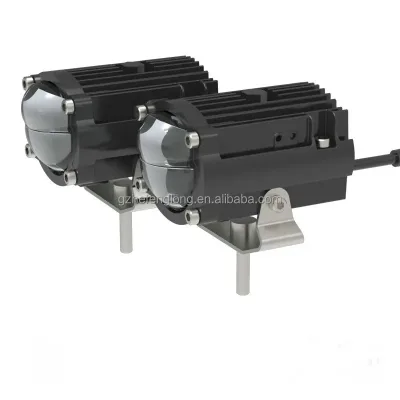
Procuring LED matrix headlights requires a nuanced understanding of optical engineering and supply chain transparency, particularly when distinguishing between true matrix technology and standard bi-LED projector units. Buyers must recognize that while many listings advertise "matrix" capabilities, the actual hardware often consists of dual-lens bi-LED systems designed for high-intensity output rather than dynamic pixelated beam shaping. This distinction is critical for applications requiring precise light distribution without dazzling oncoming traffic, as true matrix systems offer superior adaptive lighting control compared to static high-beam configurations.
The sourcing landscape is dominated by manufacturers in Guangdong, China, who offer a wide range of OEM and aftermarket solutions. These suppliers typically provide units with aluminum alloy housings and integrated cooling systems, ensuring thermal management for longevity. Buyers should focus on verifying the specific lens configuration and driver quality, as these factors directly influence beam pattern consistency and color temperature stability. Understanding these technical nuances helps procurement teams avoid misaligned expectations and ensures the selected components meet the specific performance requirements of their target vehicle platforms.
Product Scope and Observed Listing Signals
Current market listings reveal a diverse array of LED headlight products, with observed price ranges spanning from $0.72 to $100 USD, reflecting significant variation in component quality and brand positioning. Minimum order quantities (MOQ) typically range from 1 to 1,000 units, allowing for flexible procurement strategies that cater to both small-scale retailers and large-scale automotive integrators. These signals indicate a highly competitive market where volume discounts and customization options are readily available, enabling buyers to tailor orders to specific project needs without excessive upfront inventory commitments.
Product attributes frequently highlight key features such as DC 9-60V voltage compatibility, 6000K color temperature, and lifespans exceeding 30,000 hours. Many listings specify dual-lens configurations with distinct low and high beam outputs, such as 1,900 lumens for low beams and 2,700 lumens for high beams. Buyers should carefully review these specifications to ensure compatibility with their vehicle’s electrical systems and lighting requirements. The presence of features like fan and heatsink cooling systems further underscores the importance of thermal management in maintaining consistent performance over the product’s operational life.
Technical Specifications to Verify
When evaluating LED matrix headlights, verifying the rated power and luminous output is essential for ensuring optimal performance and energy efficiency. Typical specifications include a rated power of 30W for low beams and 45W for high beams, with corresponding luminosity outputs that must be validated under standardized testing conditions. Buyers should confirm that the listed lumens and lux values, such as >400lx at 10 meters, are measured accurately and consistently across production batches. This verification process helps prevent discrepancies between advertised performance and real-world illumination capabilities, ensuring that the headlights meet the required safety and visibility standards.
Thermal management and material construction are equally critical factors that influence the longevity and reliability of LED headlights. Aluminum alloy housings combined with built-in fan and heatsink systems are common design choices that enhance heat dissipation, thereby extending the lifespan of the LED components. Buyers should also verify the operating voltage range, typically DC 9-60V, to ensure compatibility with various vehicle electrical systems. Additionally, confirming the view angle and beam pattern, such as spot or flood configurations, is necessary to align the product’s optical characteristics with the intended application, whether for off-road use or standard highway driving.
Compliance and Safety Documentation
Ensuring that LED matrix headlights meet international safety and environmental standards is a fundamental requirement for global procurement. Certifications such as CE, RoHS, FCC, and ISO9001 are commonly cited by suppliers, indicating adherence to specific regulatory frameworks for electromagnetic compatibility, hazardous substance restrictions, and quality management systems. Buyers must verify the authenticity and scope of these certifications, as they provide assurance that the products have undergone rigorous testing and comply with the legal requirements of their target markets. This due diligence is crucial for mitigating legal risks and ensuring that the imported goods can be legally sold and installed.
In addition to general certifications, specific automotive standards such as E-mark may be required for headlights intended for road use in certain regions. Buyers should request detailed documentation, including test reports and compliance certificates, to validate that the products meet these stringent requirements. The presence of UV or IR radiation-free specifications is another important consideration, as it ensures that the headlights do not emit harmful radiation that could damage vehicle components or pose health risks. By prioritizing compliance and safety documentation, procurement teams can safeguard their supply chains and maintain the integrity of their brand reputation.
Cost Drivers and Commercial Terms
The cost structure of LED matrix headlights is influenced by several key factors, including material quality, manufacturing complexity, and order volume. Aluminum alloy construction and advanced optical lenses contribute to higher unit costs, while economies of scale can significantly reduce prices for larger orders. Buyers should analyze the trade terms offered by suppliers, such as EXW, FOB, or CIF, to understand the total landed cost and logistical responsibilities. These terms dictate who bears the risk and cost of transportation, insurance, and customs clearance, impacting the overall budget and supply chain efficiency.
Minimum order quantities (MOQ) and packaging specifications also play a significant role in determining the total procurement cost. Suppliers often require MOQs of 100 pieces or more, which can affect inventory management and cash flow for smaller buyers. Packaging options, ranging from white boxes to anti-static bags and blister cards, vary in cost and protective quality, influencing the final price and product safety during transit. Buyers should negotiate these terms carefully to align with their operational needs, ensuring that they receive the best value without compromising on product quality or delivery reliability.
Supplier Qualification and Quality Control
Selecting a reliable supplier for LED matrix headlights requires a thorough assessment of their manufacturing capabilities and quality control processes. Buyers should prioritize suppliers with established facilities in regions known for electronics manufacturing, such as Guangdong or Dongguan, China, where supply chain infrastructure and expertise are well-developed. Verifying the supplier’s production capacity, lead times, and past performance with similar clients is essential for ensuring consistent supply and timely delivery. Additionally, assessing their ability to provide customization services, such as branding or specific packaging, can add value to the procurement process.
Quality control measures, including pre-shipment inspections and warranty terms, are critical for mitigating the risk of defects and ensuring product reliability. Buyers should confirm that suppliers offer comprehensive warranties, typically ranging from 12 to 24 months, which demonstrate confidence in their product quality. Implementing incoming quality control checks upon receipt of goods can help identify any discrepancies or damages early in the process. By establishing clear quality expectations and maintaining open communication with suppliers, procurement teams can build a robust supply chain that supports long-term business success and customer satisfaction.
Long-Term Procurement Checks
Maintaining a sustainable procurement strategy for LED matrix headlights involves regular performance monitoring and supplier relationship management. Buyers should track key performance indicators, such as defect rates, delivery times, and customer feedback, to evaluate the ongoing reliability of their suppliers. Establishing a feedback loop with end-users can provide valuable insights into product performance in real-world conditions, enabling proactive identification and resolution of issues. This continuous improvement process helps ensure that the sourced products continue to meet evolving market demands and quality standards.
Additionally, staying informed about technological advancements and regulatory changes in the LED lighting industry is crucial for long-term procurement success. Buyers should regularly review their product specifications and compliance requirements to ensure alignment with current best practices and legal obligations. Engaging in strategic discussions with suppliers about future product developments and potential collaborations can foster innovation and secure competitive advantages. By adopting a proactive and adaptive approach to procurement, organizations can navigate market dynamics effectively and maintain a resilient supply chain.
FAQs
What certifications do led matrix headlight products typically carry?
Listed led matrix headlight products commonly carry CE, RoHS, FCC, and ISO9001 certification, and some items also reference E-mark approval. Certification coverage can differ between models, so buyers should confirm which certificates apply to the exact product and request copies. Verified documentation matters most when products are intended for regulated automotive retrofit or upgrade applications.
How long does an led matrix headlight last under normal use?
Listed products indicate a lifespan exceeding 30,000 working hours, with some guaranteeing 12 to 24 months of use in normal conditions. Actual service life depends on operating voltage, heat dissipation, and installation quality. Many designs use a built-in fan heatsink with aluminum alloy housing to manage heat, which supports consistent long-term performance.
What light output can buyers expect from an led matrix headlight?
One listed 2 inch bi LED headlight model delivers 1900 lumens at low beam and 2700 lumens at high beam, with a 6000K white color temperature. Another listed product states an operating output of 4200 lumens. Output ratings vary by model and beam position, so buyers should compare lumen values and lux measurements at a defined distance before ordering.
Which voltage range is supported by led matrix headlight products?
Listed products show two common supply options: a wide DC9-60V input on certain models and a 12V input on others. The wide-range version suits vehicles with fluctuating electrical systems, while 12V units fit standard passenger cars. Buyers should confirm vehicle electrical requirements and match the rated power, such as 30W low beam and 45W high beam, before purchase.
Can led matrix headlight products be customized for a brand or vehicle?
Yes, customization is listed as available on relevant product pages. Buyers can typically discuss branding, packaging such as white boxes or color boxes, and specification adjustments with the supplier before ordering. Because minimum order quantities range from 1 to 1000 pieces depending on the listing, customization requirements may influence MOQ, so it should be raised early in sourcing discussions.
What warranty terms apply to led matrix headlight purchases?
Listed warranties range from a 12-month guarantee used in normal condition to a 24-month warranty on certain models. Warranty length varies by supplier and product line, so buyers should confirm the exact term in writing before placing an order. Keeping installation and use within stated conditions, such as normal operating voltage, is usually required to keep the guarantee valid.
How are led matrix headlight products packaged and shipped?
Packaging options shown in listings include white boxes, carton boxes, anti-static bags, blister cards, and color boxes, with products sold as single items. Trade terms listed include EXW, FOB, and CIF, giving buyers flexibility over freight responsibility. Packaging choice can affect unit protection during transit, so buyers should confirm the packing format and trade term that suits their destination and volume.
Which positions on a vehicle can an led matrix headlight be installed in?
Listed products indicate installation positions at the front, bumper, and side of the vehicle, with application for cars and purpose for retrofit or upgrade. Buyers should verify beam pattern, dimensions such as 100 by 98 by 72 millimeters on one listed model, and mounting compatibility with their specific vehicle before ordering to ensure proper fitment and alignment.